
Introduction
My rank was stuck for four months straight. I was playing six matches a day, losing more than I won, and had absolutely no idea why. I was not getting worse. I just was not getting better either.
The moment everything changed was not a new phone or better internet. It was one simple shift, I stopped just playing and started actually studying my own game. Within two weeks my rank climbed more than it had in the previous four months combined.
These are the exact habits that made that difference. Not theory. Stuff that actually worked .
Why Most Players Never Improve
Most players just play. They never study. They never analyze anything.
They finish a match and jump straight into the next one. They repeat the same mistakes every single day. Nothing ever changes because nothing ever gets examined.
Pro players do the opposite. They treat every match as information. They study what went wrong and fix it before the next match.
That one difference separates improving players from stuck players. The tips below will help you make that shift immediately.
1. Study One Thing at a Time
Most beginners try to improve everything at once. They want better aim, better positioning, better decision making, and better teamwork all at the same time.
That never works. Trying to fix everything fixes nothing. Your brain cannot process that many changes simultaneously.
Pick one skill to focus on this week. Only one. Aim this week. Map awareness next week. Decision making the week after.
Fixing one thing completely is worth more than half fixing ten things. Progress becomes visible fast when focus is narrow. Narrow focus builds real lasting improvement.
2. Warm Up Before Every Serious Match
Never jump straight into ranked mode cold. Your hands are stiff. Your reaction time is slow. Your brain is not switched on yet.
Pro players always warm up first. They spend fifteen to twenty minutes in practice mode or casual matches. Their hands get loose and their reactions get sharp before any serious match starts.
I used to skip warm up completely. I would lose my first two or three ranked matches every single session. After starting a warm up routine that pattern disappeared completely.
Warm up for at least fifteen minutes before every ranked session. You will notice the difference from your very first match. Early mistakes that used to cost you rounds will stop happening.
Your device performance during warm up matters too. If your phone slows down or heats up during early matches, your warm up is working against you. Check how app usage habits are silently slowing down your phone and fix it before your next session.
3. Watch Your Own Replays Every Week
This is the single most powerful improvement tool available. Most players never use it. They just move to the next match and carry all their mistakes forward.
Replays show you things invisible during live play. Bad positioning becomes obvious. Wrong decisions are easy to see from outside the action. Missed opportunities stand out clearly.
Watch one replay every single day. Look for only one mistake per replay. Fix that one mistake before watching the next one.
I watched my replay after a terrible loss once. I saw myself making the same positioning error five times in one match. I had no idea during the match. Fixing that one error changed my results within days.
4. Study Pro Players the Right Way
Most beginners watch pro streamers for entertainment. They watch the highlights and the kills. They learn almost nothing useful from watching this way.
Watch pro players to study decisions not actions. Pause the video when they make a choice. Ask yourself why they made that choice. What information did they have. What were they thinking.
You can also watch pro gameplay breakdowns on platforms like YouTube to understand positioning, rotations, and decision making in real matches.
Watch their positioning between fights. Watch where they rotate. Watch how they use the map. The kills are the result of good decisions made thirty seconds earlier.
I started studying one pro player for one week at a time. I picked one specific habit to copy each week. My decision making improved faster from studying than from playing ten extra matches.
5. Fix Your Settings Once and Never Change Them Again
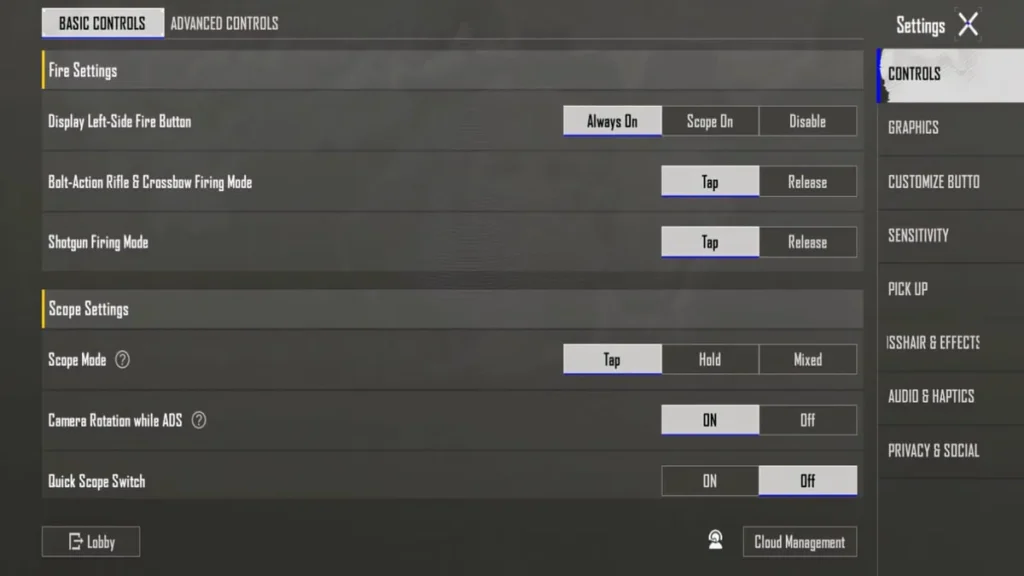
Most players change their settings constantly. New sensitivity this week. New button layout next week. New graphics settings the week after.
This is a major mistake. Your muscle memory needs consistency to develop. Every settings change resets the muscle memory you already built.
Spend one week finding your perfect sensitivity settings. Test in practice mode until aiming feels natural. Write those settings down and commit to them completely.

Never change settings during a ranked season. Stick with your settings through losses and bad sessions. The discomfort of new settings costs you more rank than the discomfort of slightly imperfect current ones.
6. Control Your Mental State
Tilt destroys more rank points than bad skill ever does. Tilt means playing angry and frustrated after losses. Tilted players make terrible decisions constantly.
Most players do not notice they are tilted. They think they are playing normally. Their decisions say otherwise completely.
Set a strict rule for yourself. Two losses in a row means a mandatory break. No exceptions allowed. Stand up, drink water, walk around for ten minutes.
I lost six ranked matches in a row once because I refused to stop after two losses. Two hours of tilted play dropped my rank significantly. A ten minute break after the second loss would have saved all of it.
7. Learn the Map Completely
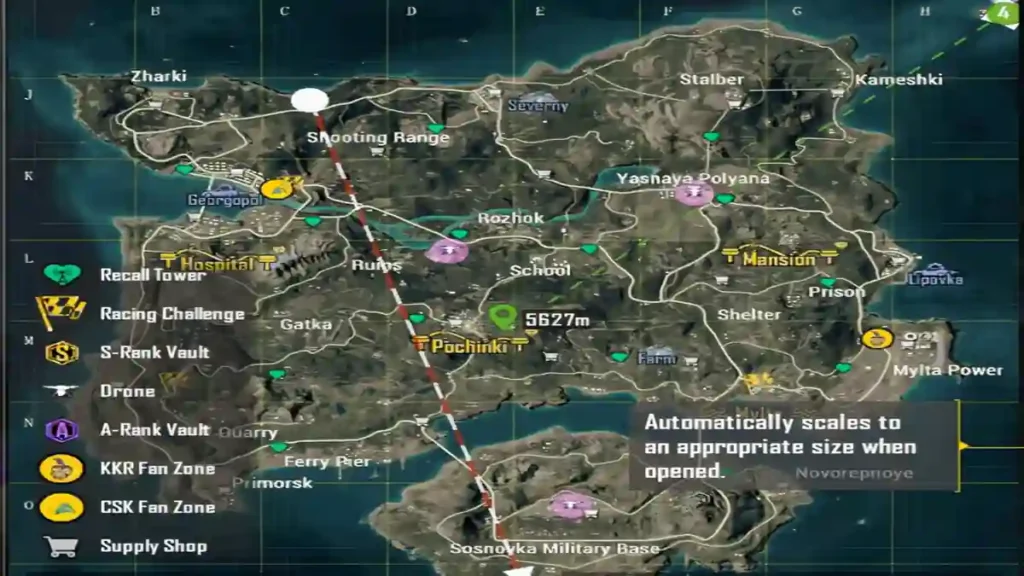
Most players know two or three spots on every map. They go to the same places every single match. Enemies predict and counter them easily.
Good players know every corner of every map. They know every rotation path. They know every high ground position. They know every ambush spot and every escape route.
Spend entire sessions just exploring maps without focusing on winning at all. Drop in locations you never visit. Find spots you never knew existed. This knowledge stays with you permanently.
Map knowledge is the most permanent skill in any competitive game. You learn it once and it helps you forever. It never decays or disappears the way aim consistency sometimes does.
Understanding the map is one thing. Understanding how the game decides who you face on that map is another. Read our detailed breakdown of matchmaking rating systems in online games to understand exactly how ranking works behind the scenes.
8. Understand Why You Died Every Single Time
Every death in a competitive game has a reason. Most players ignore that reason and respawn. They repeat the same death in the same way next round.
After every single death ask yourself one honest question. Why did that happen. Not whose fault it was. Why did it happen specifically.
Low health entering a gunfight. Rotated at the wrong time. Each death has a specific lesson inside it.
Players who learn from every death improve at a speed that shocks other players. Most people play thousands of matches without learning this simple habit. You can start using it from your very next match today.
9. Play With Better Players Regularly
Playing only against players at your level has a ceiling. You get comfortable. You stop being challenged. Your improvement slows down significantly.
Playing with better players forces rapid growth. You see better decision making in real time. You watch superior positioning. You feel the pressure of higher level play pushing you to perform better.
Many players also share strategies and real experiences on communities like Reddit, which can help you learn faster from others.
Join a competitive squad or community of players slightly above your current rank. Lose a lot at first. Learn constantly throughout those losses. Come back to your normal rank and notice the difference immediately.
10. Record and Review Your Best Wins Too
Most players only review losses. This misses half the available information completely.
Your best wins contain valuable information too. What did you do right. Which decisions worked perfectly. Which habits produced your best performance.
Review your best wins and identify your strongest habits. Then deliberately repeat those habits in every following match. Building on your strengths is just as important as fixing your weaknesses.
I reviewed my best win of the month once. I noticed I was using the mini map much more frequently than in my average matches. That correlation was not obvious until I watched the replay carefully. I made mini map usage a conscious priority after that observation.
11. Focus on Process Not Results
Most players focus entirely on their rank. Every match is about winning or losing rank points. This creates pressure that hurts decision making in real time.
Good players focus on executing good habits correctly. Did I warm up. Did I check the map regularly. Did I make good decisions before fights. Did I communicate with my team.
If you execute the right process consistently the rank results follow automatically. Focusing on rank directly creates anxiety. Focusing on process creates improvement.
Measure yourself by habit execution not by rank. Track whether you did the right things. Not whether you won or lost that specific session.
12. Specialize in One Role or Character
Many players switch characters and roles constantly. They are decent at many things. They are great at nothing.
Pro players master one role completely before learning any other. They understand every ability. Every cooldown. Every situation where their character excels or struggles.

Pick one character that matches your natural play style. Commit to that character for thirty full days. Learn everything about them deeply.
After thirty days your performance with that character will be dramatically different. You will understand situations before they develop. That predictive understanding only comes from deep specialization.
13. Use the Ping System Like a Pro
Most players use pings occasionally when they see an enemy. Pro players use pings constantly throughout every single match.
Ping your movement direction before you rotate. Ping enemies the moment you spot them. Ping loot for teammates who need it. Ping danger areas before teammates walk into them blindly.
Good pinging transforms your team coordination without any microphone needed. Your team makes smarter decisions because they have constant information flowing to them.
I started aggressive pinging in every match for one week. My teammates started rotating correctly. Our fights became more coordinated. We started winning engagements we previously lost consistently.
14. Manage Your Energy and Sleep
This sounds completely unrelated to competitive gaming. It is actually one of the most important factors in your performance. Most players completely ignore it.
Your reaction time drops when you are tired. Your decision making gets worse. Your frustration tolerance decreases. Everything about your game performance declines with poor sleep.
Pro players treat sleep like training. They sleep consistently and prioritize rest before important sessions. They know that a rested brain performs measurably better than a tired one.
Play your most important ranked sessions after proper rest. Never play ranked when exhausted or sleep deprived. The performance difference is significant and completely measurable in your results.
15. Track Your Progress Weekly
Most players have no idea if they are actually improving. They feel better sometimes and worse other times. They never measure anything objectively.
Track your win rate every single week. Track your average rank position. Track which specific habits you practiced each session. Write everything down somewhere you can actually see it.
Objective tracking shows you whether your practice methods are working. It shows you which habits correlate with better results. It keeps you motivated when progress feels invisible during a difficult week.
I started tracking win rates weekly once. I noticed my win rate during evening sessions was significantly higher than my morning sessions. That discovery alone changed when I played my ranked matches completely.
How to Put Everything Together
Do not apply all fifteen tips at once. Pick three this week. Focus completely on only those three.
Start with warm up, replay watching, and mental state management. These three alone produce visible improvement within one week. Then add map knowledge and settings consistency in week two.
Build each habit until it becomes automatic. Automatic good habits are what pro players actually have. They do not think about these things during matches. They just happen naturally because of months of deliberate practice.
Cheating is one of the biggest frustrations in competitive gaming. Understanding how games fight back helps you trust the system more. Read how anti-cheat systems in mobile games detect and stop cheaters in real time.
Conclusion
Improving at competitive games is not about talent. It is about deliberate practice with the right habits. Every single pro player started where you are right now.
Warm up before every session. Watch your replays. Study pro decisions. Fix your settings permanently. Control your tilt. Learn your maps deeply. Focus on process not results.
These habits compound over time. Small daily improvements add up to dramatic rank changes over months. You will not become a pro player overnight. But you will become noticeably better within weeks if you apply these tips consistently.
Start today. Pick one tip from this list. Apply it in your very next session. That is how every improvement journey actually begins.
FAQ’s
How long does it take to see real improvement in competitive games?
Most players see noticeable improvement within two to three weeks of deliberate focused practice. Big rank changes take one to two months of consistent habit building. Improvement that sticks permanently takes longer than improvement that comes from lucky streaks during hot form periods.
Is natural talent required to reach high ranks in competitive games?
Talent helps at the very highest levels of competition. Below that level habits and practice matter much more than raw talent. Most high ranked players got there through consistent deliberate practice not exceptional natural ability. Hard work beats talent when talent does not work hard.
Should I play ranked mode every day to improve faster?
Not necessarily. Casual and practice modes are better for building specific skills without rank pressure. Mix ranked and casual sessions throughout the week. Use casual sessions to practice specific new skills and ranked sessions to test whether those skills are working under pressure.
Why do I improve in practice but perform worse in ranked matches?
Rank pressure creates anxiety that hurts decision making and execution. Focus on process instead of rank outcomes during ranked matches. The more you treat ranked matches like casual practice the better your ranked performance will become over time.
How do pro players maintain consistently high performance over long periods?
Pro players maintain strict routines around sleep, warm up, session length, and review. They treat gaming like a professional skill requiring deliberate maintenance. They also take regular breaks to prevent burnout and mental fatigue from accumulating over long competitive seasons.